
Table of Contents
Top National Parks for Families You Should Visit This Year
More than 330 million people visit America’s top national parks every year, and families make up a huge portion of those enthusiastic travelers. Whether it’s exploring geysers, mountains, forests, or deserts, these protected landscapes are some of the most awe-inspiring destinations in the country.
The top national parks offer the perfect balance of adventure, hands-on learning, and pure family fun that both kids and parents adore. They provide safe, engaging environments where families can reconnect with nature while discovering the incredible diversity of America’s outdoors.
From watching Old Faithful erupt in Yellowstone to spotting playful alligators in the Everglades, the top national parks create unforgettable experiences that bring families closer together and spark a lifelong love for exploration.
The best family-friendly national parks include Yellowstone for its geysers and wildlife, the Grand Canyon for its amazing views, and Great Smoky Mountains for its easy trails and visitor programs.
Each park offers something different, whether your family loves hiking, wildlife watching, or just exploring new places.
Some parks work better for younger kids, while others challenge older children with longer trails and more activities.
In this article you’ll learn about the top parks to visit, what makes each one special, and how to make your family vacation smooth and fun from start to finish.
Key Takeaways
The top national parks across America offer an incredible variety of activities, including wildlife viewing, scenic hiking, and engaging educational programs that appeal to all family members. These natural wonders combine outdoor adventure with learning experiences for an unforgettable family trip.
Among the top national parks for families are Yellowstone, Grand Canyon, and Great Smoky Mountains, each famous for their accessible trails, breathtaking views, and kid-friendly visitor programs that make exploring fun and easy.
Planning ahead is essential when visiting the top national parks. Researching park-specific tips, checking seasonal weather, and selecting age-appropriate activities ensure your family enjoys a smooth, memorable, and stress-free vacation filled with adventure and discovery.
Why National Parks Are Perfect for Family Trips
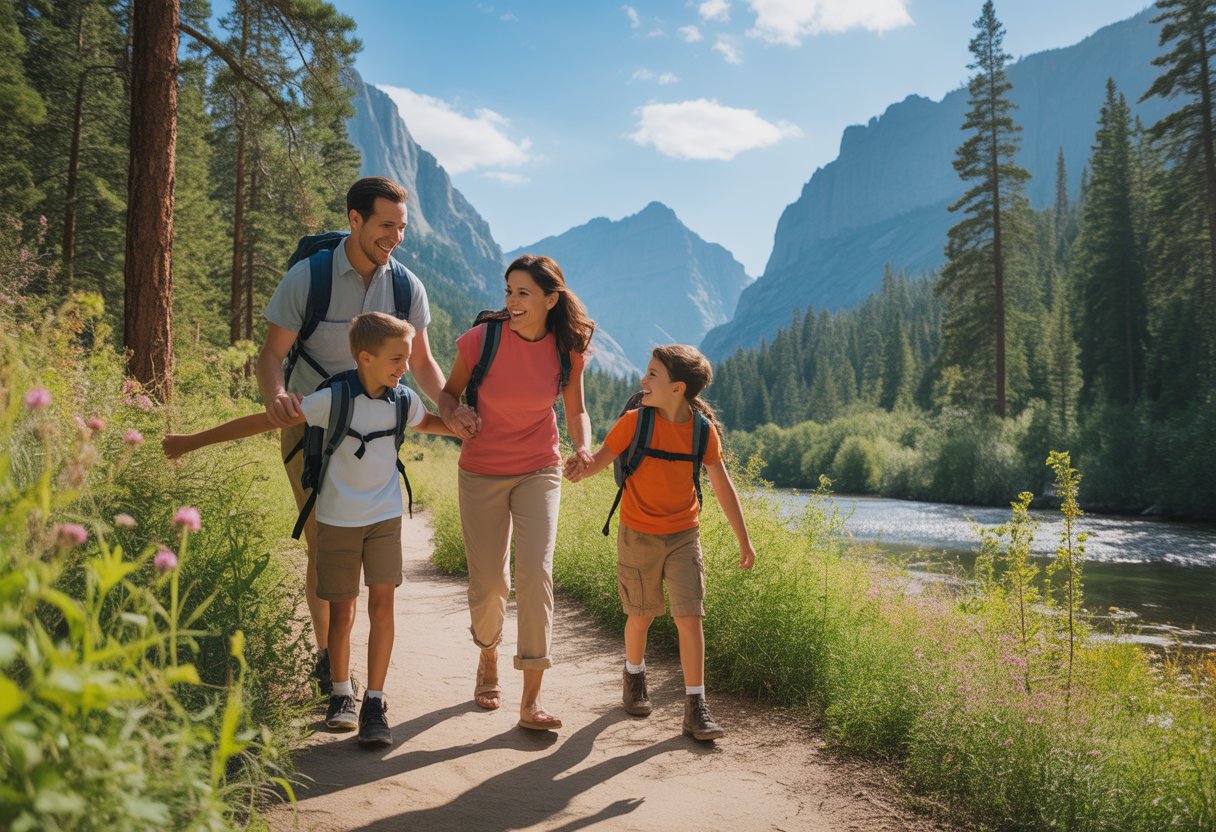
The top national parks offer an incredible range of unique benefits that make them ideal destinations for memorable family vacations. These breathtaking natural areas combine education, recreation, and relaxation in ways few other places can. From vast mountain ranges and lush forests to serene lakes and spectacular canyons, the top national parks provide families with endless opportunities for discovery and fun.
These protected landscapes allow children to connect deeply with nature while encouraging curiosity and respect for the environment. Families who visit the top national parks can create lasting memories through shared outdoor experiences like hiking scenic trails, observing wildlife in their natural habitats, and learning about history and geology through engaging ranger programs. Whether it’s a short weekend trip or a full summer adventure, the top national parks offer something unforgettable for every generation.
Benefits of Family Time in Nature
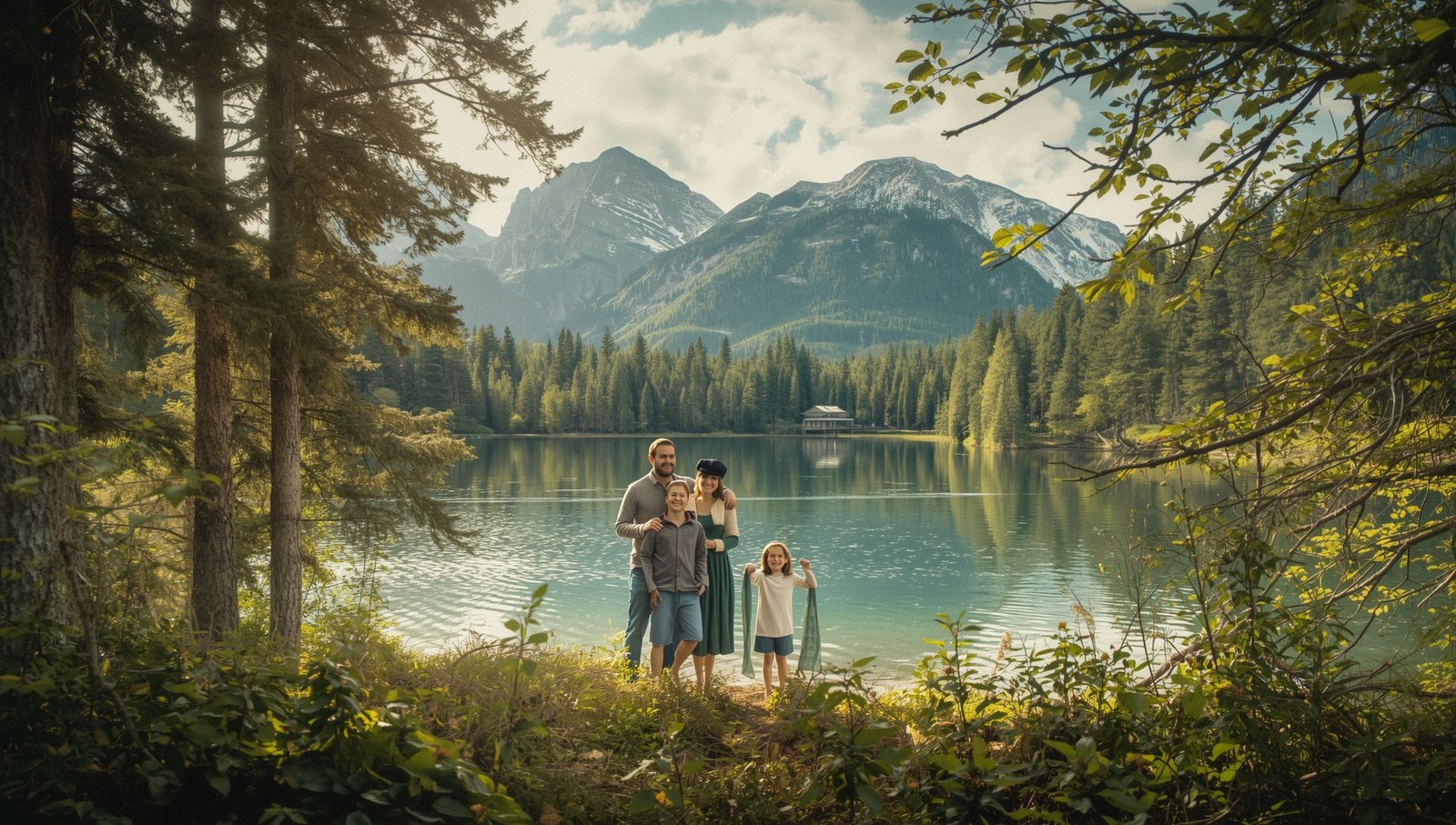
Spending time in the top national parks gives families a much-needed break from screens, packed schedules, and the constant rush of daily life. These peaceful natural escapes encourage families to slow down and reconnect with one another.
Research consistently shows that time spent outdoors in the top national parks helps reduce stress, improve mood, and promote overall mental wellness for both kids and adults.
Nature-based activities available throughout the top national parks help children develop stronger focus, better attention spans, and a deeper appreciation for the environment.
Kids who explore and play outside in the top national parks often show greater creativity, stronger problem-solving skills, and more confidence in tackling new challenges.
The top national parks provide safe, well-maintained environments where families can explore trails, rivers, and scenic overlooks together without worry.
The National Park Service carefully maintains trails, picnic areas, and educational facilities across the top national parks, ensuring they are accessible and enjoyable for visitors of all ages and abilities.
Fresh mountain air, sunshine, and physical activity within the top national parks naturally boost energy levels and overall well-being for the entire family.
Fun activities like hiking, nature walks, and guided exploration tours keep families active and engaged while enjoying quality time in the great outdoors.
The peaceful, scenic settings of the top national parks create calming spaces where families can relax, talk, and strengthen their emotional bonds away from daily distractions.
Without the constant pull of digital devices, parents and children in the top national parks engage in deeper, more meaningful conversations that build lasting memories.
Wildlife viewing in the top national parks excites children and sparks a sense of wonder and curiosity about animals and their natural habitats.
Educational Experiences for Kids
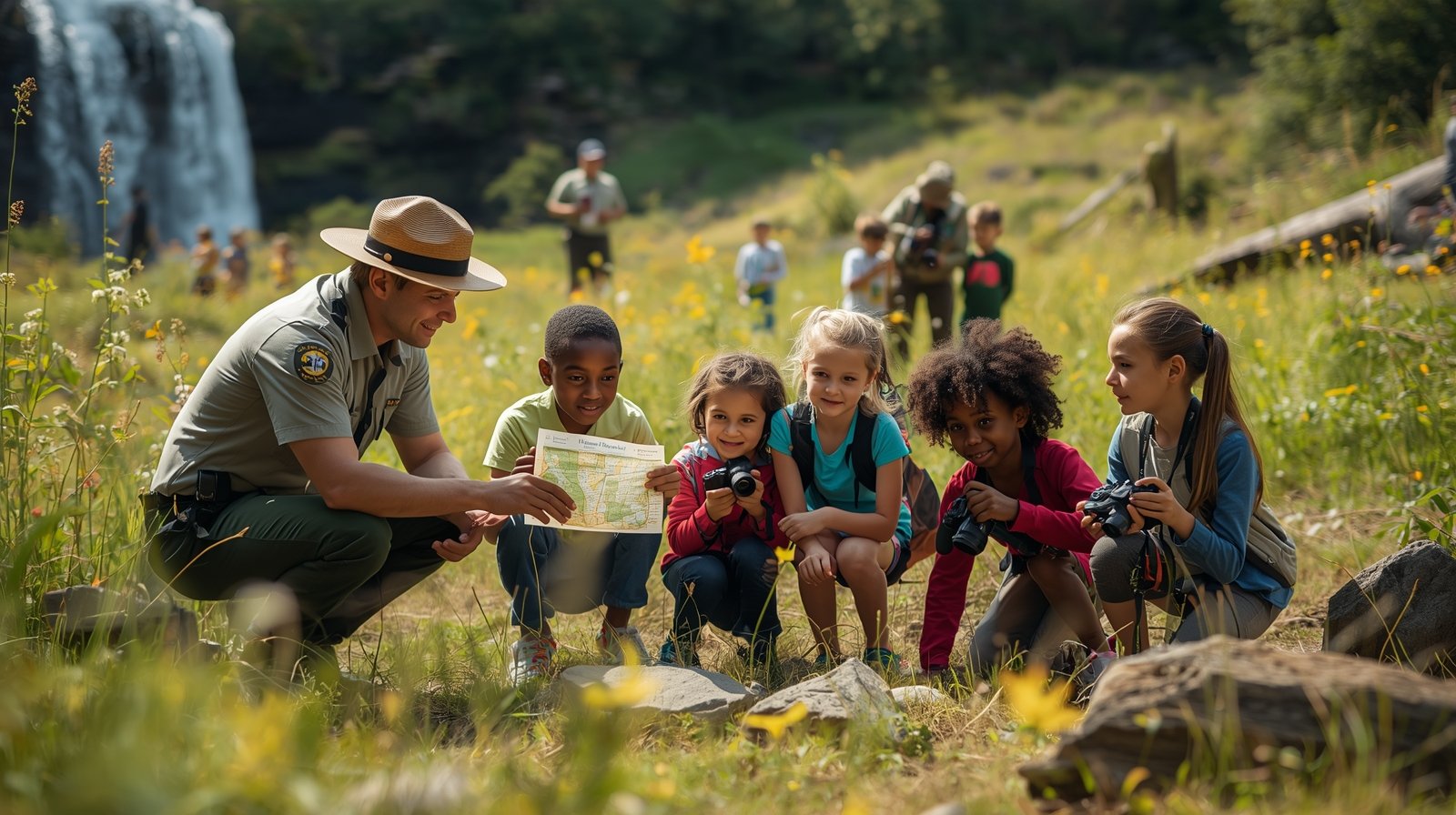
US top national parks serve as incredible outdoor classrooms where children learn through hands-on experiences surrounded by nature. These remarkable destinations allow kids to engage directly with the environment while having fun and building lasting memories.
Children visiting the top national parks discover geology firsthand by touching ancient rock formations, examining fossils, and observing how time and natural forces have shaped the Earth.
The popular Junior Ranger program, available in most of the top national parks, helps young visitors learn about conservation and park history in a fun, rewarding way. Kids complete activity books, participate in interactive lessons, and earn official ranger badges as they explore.
Many top national parks for families also offer guided walks with knowledgeable park rangers. These experts share fascinating stories about native plants, wild animals, and unique ecosystems, making each visit educational and engaging.
Interactive visitor centers in the top national parks are designed with children in mind. They feature hands-on exhibits, kid-friendly displays, short educational films, and games that make learning exciting and memorable.
Historical top national parks bring American history to life through real locations. Children can walk where significant events occurred and gain a better understanding of how people lived and worked in different eras.
Educational programs in the top national parks vary by season and location. Some parks offer stargazing nights where families explore constellations under clear skies, while others host special programs focusing on Native American heritage, pioneer life, or environmental science — making each visit both inspiring and educational.
Enhancing Family Bonds Through Outdoor Activities
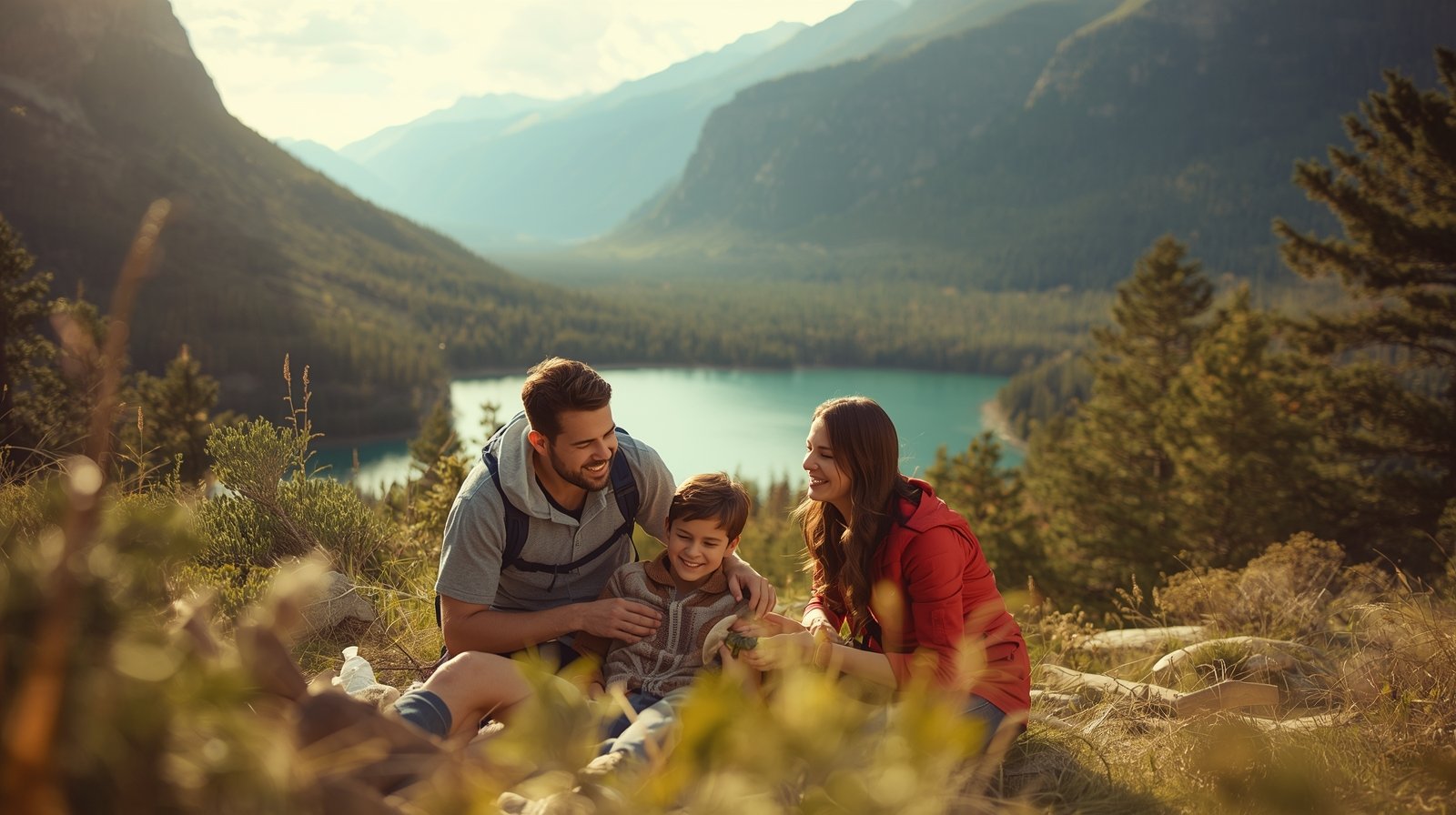
Outdoor adventures in the top national parks inspire teamwork, cooperation, and family bonding like few other experiences can. Families work together to set up campsites, navigate scenic trails, and spot wildlife in their natural habitats, all while sharing moments of discovery and laughter.
These shared challenges in the top national parks help build confidence, patience, and trust among family members. Completing a tough hike, crossing a stream, or learning a new outdoor skill gives everyone a sense of pride and accomplishment that strengthens relationships.
The top national parks offer activities suited for all interests and skill levels. Some families enjoy peaceful photography walks or bird-watching, while others prefer fishing, kayaking, or even rock climbing on breathtaking cliffs. Every activity provides an opportunity to connect and learn together.
Camping in the top national parks teaches children valuable life lessons and outdoor skills. They learn how to cook simple meals over a campfire, pitch a tent, build fires safely, and appreciate the joy of nature without modern distractions.
Unplugged time in the top national parks allows families to focus fully on one another. Without phone calls, internet, or constant notifications, parents and children share genuine conversations, laughter, and experiences that deepen family bonds.
Creating traditions around visits to the top national parks helps strengthen a family’s sense of identity and togetherness. Annual trips to favorite locations become cherished rituals — special times filled with adventure, storytelling, and memories that last for generations.
How to Choose the Best National Parks for Families
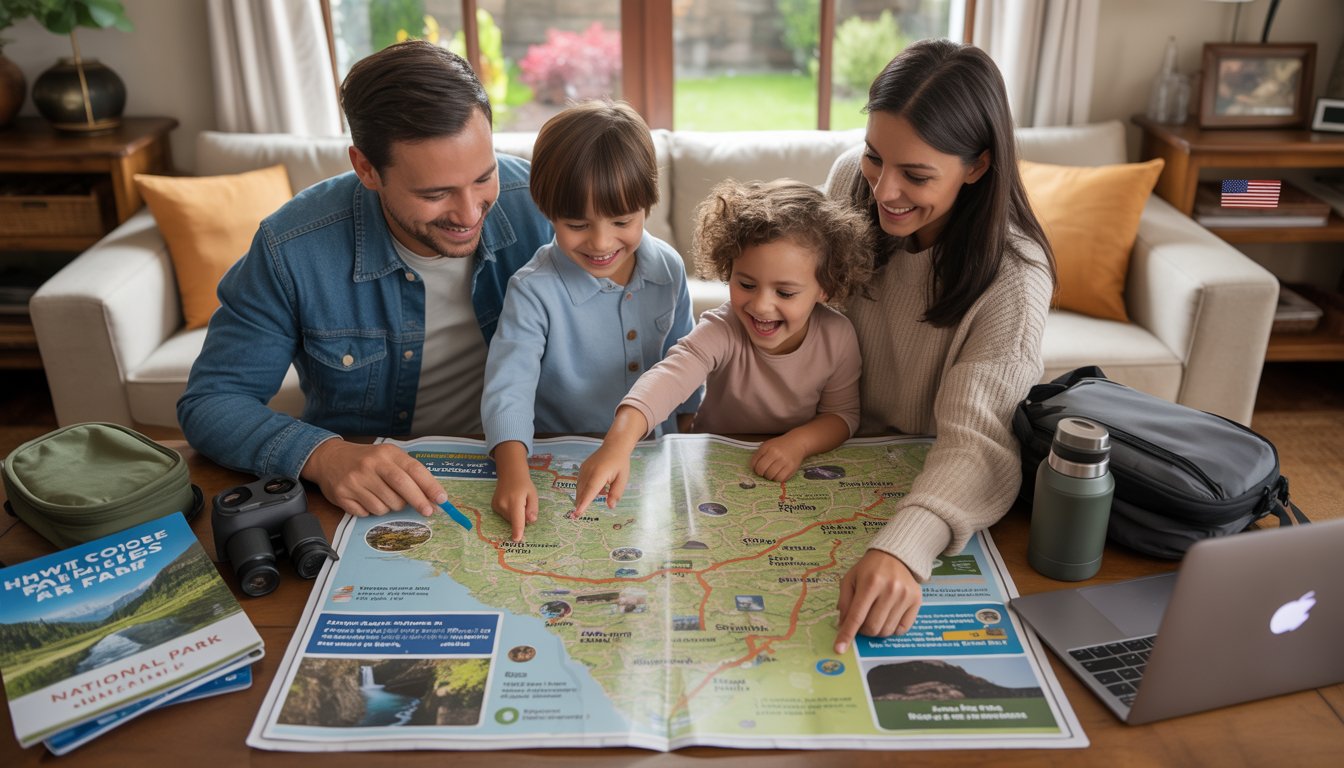
The Right Forest National Parks Choice for Families
The right Top National Parks and forest destinations choice depends on your family’s ages, interests, and activity level. Proper planning, preparation, and safety measures ensure everyone enjoys a fun, memorable, and worry-free adventure together.
Key Criteria for Family-Friendly Forest Parks
When selecting the Top National Parks and forest destinations for families, I recommend focusing on parks that offer easy hiking trails under two miles long. These shorter, scenic paths keep younger kids engaged and happy without overwhelming them.
Check if the park includes Junior Ranger programs, available in many of the Top National Parks and forest locations. These interactive activities let children learn about wildlife, geology, and conservation while earning badges — making learning a fun part of the journey.
Look for Top National Parks that provide multiple activity options, such as nature walks, visitor centers, and scenic drives. These backup plans are perfect for when kids need a rest from hiking but still want to explore and learn.
Camping availability is another key factor, especially for families wanting to extend their stay. The Top National Parks with family campgrounds often fill up months ahead, so booking early is essential.
Consider the park’s terrain difficulty when traveling with young children. The Top National Parks with gentle slopes, paved paths, and safe overlooks are better suited than those with steep cliffs or sharp drop-offs.
Access to restrooms and food facilities also matters. Choosing Top National Parks that have well-equipped visitor centers, picnic areas, and snack bars ensures comfort and convenience throughout your trip.
Essential Planning Tips
Visiting the Top National Parks during shoulder seasons like spring or fall offers smaller crowds, milder temperatures, and more enjoyable outdoor experiences for kids.
If you plan to visit several Top National Parks, purchasing an Annual National Parks Pass can save a lot of money compared to paying individual entrance fees at each location.
Book accommodations as early as possible. The most popular Top National Parks such as Yellowstone, Yosemite, and Zion tend to fill up quickly, especially in summer.
Pack extra water, healthy snacks, and quick meals since park stores can be limited or far from hiking areas. Keeping kids fueled helps maintain energy and reduces complaints during longer days.
Check for park reservation requirements, as some Top National Parks now require advance booking during peak seasons to manage visitor numbers.
Before arriving, download the park’s official app. These apps often include trail maps, event schedules, and safety tips — all accessible even when there’s no cell service in remote areas.
Safety Considerations for Families
Before entering any of the Top National Parks, I always brief my family about wildlife safety rules. Keep at least 25 yards from most animals and 100 yards from bears or large predators.
Always stay on marked trails, as wandering off paths can be dangerous, especially for kids who might easily lose their way.
Bring a well-stocked first aid kit and note the nearest medical facilities or ranger stations. The Top National Parks have trained rangers who can provide assistance in emergencies.
Remember that weather can change quickly in the Top National Parks, especially in mountain or desert regions. Always pack layers, sun protection, and rain gear even if the forecast looks clear.
Teach children to stay close to adults, particularly near cliffs, waterfalls, or water features. Some overlooks lack railings, so extra supervision is key.
Finally, carry emergency contact information and park ranger phone numbers at all times. Cell service may be unreliable in remote areas, so having these details on paper ensures quick communication if needed.
By following these tips, your family’s visit to the Top National Parks will be safe, educational, and filled with unforgettable experiences that bring everyone closer to nature — and to each other.
1: Yellowstone National Park: Iconic Family Adventures
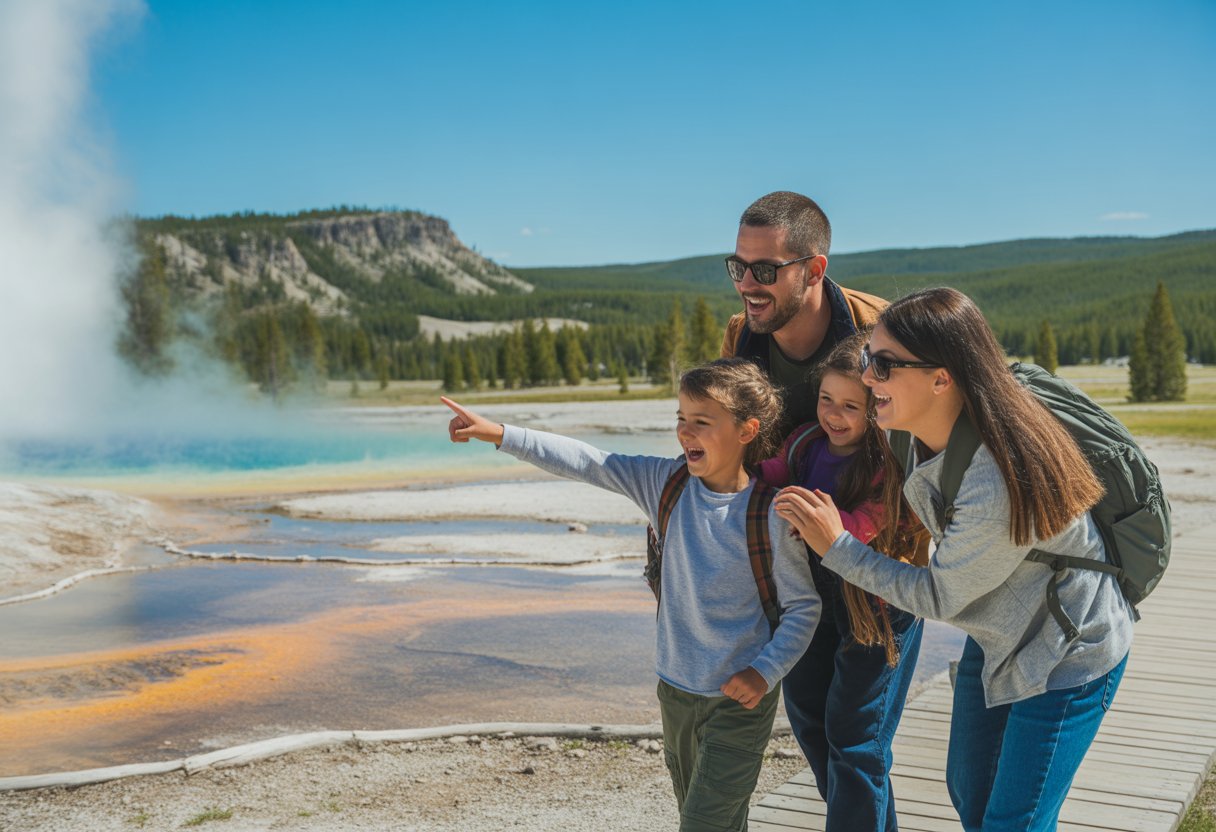
Yellowstone offers families an incredible mix of famous geysers like Old Faithful, colorful hot springs, and amazing wildlife viewing in places like Lamar Valley.
Kids can earn junior ranger badges while exploring geothermal features and watching for bison, elk, and bears throughout America’s first national park.
Highlights for Kids and Parents
I recommend starting your family adventure in the top national parks at Old Faithful, one of Yellowstone’s most famous landmarks. This world-renowned geyser erupts roughly every 90 minutes, making it easy for families to plan their visit around the eruption schedule and capture amazing photos together.
The nearby Upper Geyser Basin trail in the top national parks is perfect for families traveling with strollers or wheelchairs. The flat, accessible boardwalk allows everyone — from toddlers to grandparents — to enjoy the incredible geothermal features safely and comfortably.
The Junior Ranger Program in the top national parks keeps kids engaged and curious throughout your visit. Children can complete fun activities in a booklet, earn their official Junior Ranger badge, and participate in special ranger-led programs where they learn about local wildlife, geology, and park history in an exciting hands-on way.
Make sure to stop at Canyon Village, one of the most family-friendly areas in Yellowstone and among the top national parks highlights. It offers easy access to breathtaking waterfall overlooks, an interactive visitor center with educational exhibits, and convenient food options and retail stores that carry a nostalgic, old-fashioned charm appealing to all ages.
For accommodations, I suggest staying just outside the top national parks in places like West Yellowstone. Here, you’ll find family-friendly cabins with kitchenettes, multiple bedrooms, and cozy living areas — perfect for relaxing after an adventurous day exploring the park’s natural wonders. This setup provides both comfort and flexibility, ensuring your entire family enjoys a fun, stress-free getaway in one of America’s most iconic top national parks.
Geothermal Wonders to Explore
Grand Prismatic Spring creates one of the most spectacular sights on earth.
I recommend the Fairy Falls trail for the best overhead view – it’s only 0.6 miles each way with minimal elevation gain.
Visit on sunny days when the rainbow colors really stand out.
Make this your first stop since it gets crowded later.
Mammoth Hot Springs features terraced limestone formations that look like frozen waterfalls.
The boardwalk system makes it accessible for families with young children.
The Norris Geyser Basin showcases different types of geothermal features.
Kids love seeing the Emerald Pool and other colorful hot springs.
Midway Geyser Basin offers short, flat trails on wooden boardwalks.
These paths work well for families with strollers or anyone who has trouble walking long distances.
Wildlife Watching Opportunities
Cades Cove offers one of the most scenic and family-friendly drives among the top national parks, located within the Great Smoky Mountains National Park. This 11-mile loop road winds through a breathtaking valley surrounded by majestic mountain views on all sides, providing a perfect mix of history, nature, and wildlife. It’s best to start your drive early in the morning to avoid crowds and enjoy the peaceful atmosphere that makes the top national parks so special.
The drive through Cades Cove typically takes about 2 to 3 hours, including stops to explore the many historic sites along the way. Families can visit beautifully preserved 19th-century churches, rustic log cabins, and old mills that tell the story of early Appalachian settlers — a true living history experience within one of the top national parks in the country.
Wildlife sightings are common throughout Cades Cove. Visitors often spot black bears, deer, and wild turkeys grazing near the road, making it an exciting adventure for kids and adults alike. To enhance your experience, bring a good pair of binoculars for safe and detailed animal viewing, and remember to pack snacks and plenty of water since there are no stores inside the loop — a smart tip for any family exploring the top national parks.
For another beautiful drive in the Great Smoky Mountains, the Roaring Fork Motor Nature Trail is a must-see. This 5.5-mile one-way scenic route features rushing mountain streams, old log cabins, and lush forest landscapes that showcase the serene beauty of the top national parks. Whether you’re exploring Cades Cove or Roaring Fork, both drives offer unforgettable opportunities to connect with nature and create lasting family memories.
Great Smoky Mountains National Park: Unforgettable Family Fun
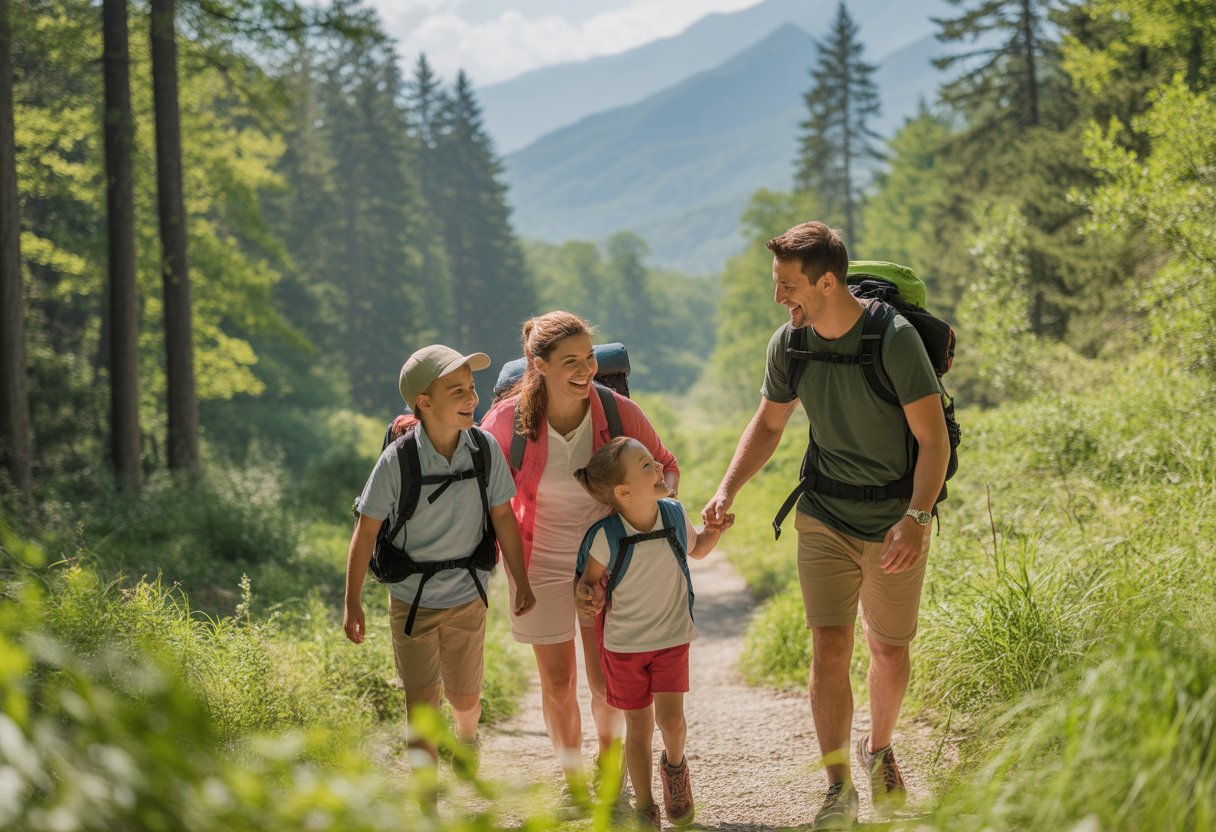
The Great Smoky Mountains National Park offers families scenic drives through Cades Cove with wildlife spotting opportunities, easy hiking trails perfect for children, and historic cabins that tell the story of Appalachian mountain culture.
Best Scenic Drives and Views
Cades Cove offers one of the most popular family drives in the top national parks, located within the Great Smoky Mountains National Park. This scenic 11-mile loop road leads visitors through a lush, picturesque valley surrounded by mountain views on every side. To make the most of your experience, it’s best to start early in the morning before crowds arrive, allowing for a peaceful and unhurried journey through one of America’s most beloved top national parks.
The drive typically takes about 2 to 3 hours, including stops to admire the scenery and explore historic landmarks. Along the way, families can visit charming remnants of the 1800s — old churches, rustic cabins, and water-powered mills that tell the story of early settlers. These well-preserved sites make Cades Cove both a visual and educational highlight among the top national parks.
Wildlife spotting is another exciting part of the Cades Cove experience. Black bears, deer, and wild turkeys often appear close to the road, delighting visitors of all ages. Bringing binoculars is highly recommended for safe and enhanced animal viewing. Don’t forget to pack snacks and plenty of water, as there are no stores within the loop — a common tip for exploring the top national parks comfortably.
For an additional scenic experience, the Roaring Fork Motor Nature Trail is another must-see route within the top national parks network. This 5.5-mile one-way drive features rushing mountain streams, moss-covered rocks, and historic log cabins nestled deep in the forest. Both routes showcase the serene beauty and rich history that make the top national parks ideal destinations for unforgettable family adventures.
Family-Friendly Hiking Trails
The Gatlinburg Trail is one of the best beginner-friendly paths in the top national parks, especially for families with young children. This smooth, paved 1.9-mile trail allows both bikes and strollers, making it perfect for parents looking for an easy yet scenic walk through the Great Smoky Mountains.
The Oconaluftee River Trail, another family favorite among the top national parks, stretches 1.5 miles along a gentle, sparkling river. Kids can enjoy spotting fish, salamanders, and other aquatic life in the clear mountain water.
For a quick and rewarding hike, Cataract Falls requires only a 1-mile roundtrip walk. The short journey ends with a picturesque waterfall — a perfect family photo opportunity and one of the most accessible natural highlights in the top national parks.
The Elkmont Nature Trail is ideal for easy wildlife viewing. This 0.8-mile loop winds through quiet forest areas where deer often graze and birds sing above. It’s a peaceful way for children to experience nature up close within one of the most beautiful top national parks.
Trail Tips:
Wear sturdy, comfortable shoes.
Bring plenty of water to stay hydrated.
Pack snacks to keep energy levels high.
Start hikes early to avoid afternoon crowds and heat.
Most family-friendly trails in the top national parks feature gentle slopes and shaded paths. However, it’s always wise to check trail conditions before you go, as certain routes may close due to rain or maintenance.
Historic and Cultural Stops
Cades Cove holds one of the richest collections of historic structures in the top national parks. Families can step back in time by walking through original log cabins, churches, and barns that date back to the 1800s.
The John Oliver Cabin, one of the oldest preserved buildings in the park, shows how early settlers lived with limited resources. Kids will love exploring the small, one-room home and imagining life before electricity and modern comforts.
At Mingus Mill, visitors can watch corn being ground into meal using a water-powered turbine — a fascinating working example of historic ingenuity still operating within the top national parks. Park rangers often hold demonstrations on weekends during summer months.
Nearby, the Mountain Farm Museum at the Oconaluftee Visitor Center showcases farm buildings from various time periods. Children can see firsthand how families grew crops, raised animals, and sustained daily life in the rugged mountains.
The Elkmont Historic District adds another layer of history to the top national parks. Here, you can explore charming old vacation cabins from the 1920s, once used by wealthy families escaping city life for summer retreats in the mountains.
Before visiting, pick up the park’s Historic Buildings Guide at any visitor center. This free booklet tells the stories behind each structure, helping families understand how people lived, worked, and thrived in these mountain communities.
Many of these historic sites also offer Junior Ranger programs during peak season, allowing kids to learn about Appalachian and mountain culture through engaging, hands-on experiences — one more reason why the top national parks make unforgettable family destinations.
2: Grand Canyon National Park: A Must-See for Families
Grand Canyon National Park offers easy access to stunning viewpoints, hands-on learning programs, and activities that work for all ages. The park provides educational experiences through ranger programs and junior activities that make learning fun for children.
Accessible Viewpoints and Activities
The South Rim offers some of the best and most family-friendly experiences in the top national parks, especially when visiting the iconic Grand Canyon National Park. This area provides safe, accessible, and awe-inspiring views for all ages. I recommend starting your visit at the Grand Canyon Visitor Center, which opens daily at 8 a.m. Here, families can pick up Junior Ranger badges, activity books, maps, and official park stamps — a fun way for kids to start their adventure in one of America’s most breathtaking top national parks.
The Rim Trail is a standout option for families exploring the top national parks. This paved, mostly flat path stretches along the canyon edge, offering stunning panoramic views without strenuous hiking. With its gentle slopes and shaded sections, it’s ideal for strollers, wheelchairs, and young children, ensuring everyone can enjoy the spectacular scenery safely and comfortably.
Popular family activities along the South Rim include:
Canyon Vista Mule Rides – Guided 3-hour tours that provide a unique perspective of the canyon.
Desert View Watchtower Visits – Climb this historic tower for one of the most dramatic views in all the top national parks.
Scenic Drives – Travel between several viewpoints, each offering a different angle of the canyon’s vast beauty.
Evening Stargazing Programs – Enjoy ranger-led sessions where families can gaze at the brilliant night sky free of city light pollution.
The Desert View area combines stunning vistas with rich Native American history. The Watchtower, inspired by ancient Puebloan architecture, showcases intricate murals and serves as an educational stop for both kids and adults. This makes it one of the most meaningful cultural experiences in the top national parks.
Before exploring further, stop by the Desert View Deli for snacks or a light lunch. It’s a great way to refuel before continuing your family’s unforgettable journey through the magnificent top national parks.
Educational Experiences for Kids
The Junior Ranger Program gives children hands-on learning about nature and park protection. Kids pick up activity booklets at various park locations and complete tasks to earn their badges.
Ranger-led programs teach families about the canyon’s geology, wildlife, and history. These National Park Service programs run throughout the day and cater to different age groups.The Trail of Time creates an interactive geology lesson along the South Rim. This walking timeline helps children understand the canyon’s formation over millions of years.
Grand Rim Adventures offer guided 3.75-mile walks with expert instructors. These programs blend education with exploration, perfect for curious kids who want to learn more.Hopi House provides both shopping and museum experiences. Children can see authentic Native American arts and crafts while learning about local cultures.
Best Times to Visit
Spring (April-May) and fall (September-November) offer the most favorable weather conditions for families, with comfortable temperatures ideal for hiking and other outdoor activities.
Summer attracts large crowds but provides the widest array of ranger-led programs. Reservations for accommodations should be made well in advance for visits between June and August. Morning and evening hours are recommended to mitigate midday heat.
Winter visits are feasible with adequate preparation, though snow may close certain areas and temperatures can plummet significantly. The South Rim remains accessible year-round, whereas the North Rim is closed from mid-October to mid-May.
Essential visiting tips include arriving early to secure parking and enjoy cooler temperatures, bringing layered clothing to accommodate variable weather, packing ample water and snacks, and allocating at least 2 to 3 days for a comprehensive family experience.
Top Western National Parks for Family Discoveries
The western United States offers incredible national parks where families can explore towering waterfalls, walk among ancient giant trees, and experience high-altitude mountain adventures. These three destinations provide easy access to nature’s most impressive features through kid-friendly trails and scenic drives.
3: Yosemite National Park Highlights
Yosemite National Park gives families access to some of America’s most famous natural landmarks. I recommend starting at Tunnel View, where you can capture the classic Yosemite Valley photograph showing El Capitan, Bridalveil Fall, and Half Dome in one frame.
El Capitan stands as a massive granite wall that fascinates kids and adults alike. You can watch rock climbers from the meadow below without any hiking required.
The Swinging Bridge offers an easy walk perfect for young children. This spot provides great views of Yosemite Falls without steep trails.
Family-friendly activities include:
Valley floor bike rides on paved paths
Easy walks to Mirror Lake
Ranger programs designed for children
Swimming at Swinging Bridge (seasonal)
The park shuttle system makes getting around simple with kids. You can hop on and off at different stops without worrying about parking.
Sequoia National Park's Iconic Trees
General Sherman Tree serves as the main attraction at Sequoia National Park. This giant sequoia is the largest tree on Earth by volume.
The paved trail down to the tree takes about 10 minutes and works well for most kids.
I suggest visiting the Giant Forest Museum first to help children understand how old and large these trees really are. The exhibits explain sequoia life cycles in kid-friendly ways.
Moro Rock provides stunning views for families willing to climb 350 granite steps. The trail is short but steep.
Kids who complete the climb feel proud of their accomplishment.
Congress Trail offers an easy loop walk among giant sequoias. This paved path works for strollers and gives families close-up views of multiple giant trees.
The Big Trees Trail is fully accessible and perfect for families with very young children or mobility needs.
Rocky Mountain National Park Adventures
Trail Ridge Road reaches over 12,000 feet in elevation and offers incredible mountain views. This scenic drive lets families experience alpine environments without hiking. Kids enjoy spotting elk, marmots, and pikas along the route.
Family hiking options include the easy Lily Lake Trail and Sprague Lake Trail. Both paths are relatively flat and offer mountain reflections in the water. The Beaver Boardwalk gives children a chance to see beaver dams and wetland wildlife. This short walk works well for toddlers. Alberta Falls provides a moderate hike with a rewarding waterfall view. The 1.6-mile round trip takes about an hour with kids.
I recommend visiting the Alpine Visitor Center at the top of Trail Ridge Road. The exhibits help explain the harsh alpine environment and unique wildlife adaptations.
Wildlife viewing opportunities:
Elk in meadows during morning and evening
Bighorn sheep along Trail Ridge Road
Marmots and pikas in rocky areas
Various bird species throughout the park
Utah's Family-Friendly National Parks
Utah’s five national parks offer some of the best family hiking experiences in the country. These parks feature easy trails, stunning red rock formations, and programs designed specifically for children.
4: Zion National Park Exploration
I recommend starting with the Riverside Walk for families with young children. This paved trail takes about 1.5 hours round trip and follows the Virgin River into the canyon.
The trail is completely accessible and offers safe water play opportunities when conditions allow. Kids love splashing in the shallow areas while parents enjoy the towering canyon walls.
For families with older children, the Upper Emerald Pools Trail provides more adventure. This 2.2-mile hike leads to beautiful pools and waterfalls.
The trail starts across from Zion Lodge and offers moderate difficulty. I suggest returning the same way rather than taking the Kayenta Trail, which has steep drop-offs that aren’t safe for small children.
Both trails showcase Zion’s incredible geology and provide excellent photo opportunities. The park shuttle system makes getting to trailheads easy and stress-free for families.
5: Bryce Canyon National Park's Unique Landscapes
The Navajo Loop Trail gives families the best introduction to Bryce Canyon’s famous hoodoos. Starting from Sunset Point, this 1.3-mile trail descends 550 feet into the canyon.
Good hiking boots are essential for navigating the loose gravel. The trail takes about three hours when combined with the Queen’s Garden trail for a complete experience.
For a shorter option, I recommend the Mossy Cave Trail. This under-one-mile hike sits just outside the main park and features a stream that children enjoy exploring.
The trail introduces families to Bryce’s distinctive red rock formations without the crowds of more popular trails. Early morning visits work best for parking availability.
Both trails offer unique perspectives of Bryce Canyon’s geological wonders. The colorful rock formations and dramatic viewpoints create lasting memories for children and adults alike.
Other Utah Parks Worth Visiting
Arches National Park features two excellent family trails. The Landscape Arch trail covers 1.8 miles round trip and can be completed in under an hour.
This trail leads to North America’s longest natural arch at 306 feet. The Park Avenue Trail offers a 2-mile walk among towering sandstone formations that resemble city skyscrapers.
Capitol Reef National Park provides the Grand Wash trail, which features minimal elevation change and dramatic canyon walls. Families can hike as far as comfortable before turning back.
The Hickman Bridge Trail leads to a massive 133-foot-wide natural bridge in about an hour. These trails showcase Capitol Reef’s unique geology and pioneer history.
Canyonlands National Park offers Mesa Arch for sunrise viewing and Cave Spring Trail for historical exploration. These shorter hikes provide big rewards with minimal effort required.
Exciting Nature Programs and Activities for Kids
National parks offer structured programs that turn visits into educational adventures. Junior ranger activities earn kids official badges and stargazing programs reveal night skies away from city lights.
Junior Ranger Program Overview
The junior ranger program transforms park visits into interactive learning experiences. Kids complete activity booklets with age-appropriate tasks like identifying wildlife or learning about park history.
Most parks offer booklets for different age groups. Younger children might draw pictures of animals they spot.
Older kids tackle more complex challenges like measuring tree growth or studying rock formations. After finishing their booklet activities, kids attend a short ranger presentation.
They learn about the park’s unique features and conservation challenges. Rangers often share stories about wildlife or historical events that happened in the area.
Kids receive an official junior ranger badge they can wear with pride. Some parks also give certificates or patches as keepsakes.
The program typically takes 2-3 hours to complete. It works well on rainy days or when kids need a break from hiking.
Fun Ranger-Led Experiences
Rangers lead special programs that bring parks to life through hands-on activities. These experiences happen at scheduled times throughout the day.
Nature walks focus on specific topics like bird watching, plant identification, or animal tracking. Rangers bring tools like magnifying glasses or binoculars for kids to use.
Evening campfire programs feature storytelling about local legends, wildlife habits, or park history. Rangers often use props or costumes to make stories more engaging.
Some parks offer specialized activities during peak season. Olympic National Park runs tide pool exploration programs.
Yellowstone has wildlife watching tours that help families spot bison, elk, or bears safely. Interactive demonstrations teach skills like wilderness survival, rock climbing basics, or Native American traditions.
Kids might learn to tie knots, identify edible plants, or make traditional crafts. These programs usually last 30-60 minutes.
They work for families with mixed age groups since rangers adapt content for different skill levels.
Best Parks for Stargazing
Several national parks earn recognition as International Dark Sky Places. These parks are perfect for family stargazing adventures.
Death Valley National Park offers some of the darkest skies in the country. Rangers lead evening astronomy programs with telescopes.
Kids can see planets, star clusters, and distant galaxies clearly. Bryce Canyon National Park hosts annual astronomy festivals.
The park’s high elevation and clear air create ideal viewing conditions. Rangers teach kids to identify constellations and explain how stars form.
Great Smoky Mountains National Park runs stargazing programs at Cataract Falls. The park provides telescopes and red flashlights to protect night vision.
Most stargazing programs start after sunset and last 1-2 hours. Parks typically provide blankets or chairs for comfortable viewing.
Check moon phases before visiting. New moon periods offer the darkest skies for seeing faint stars and the Milky Way.
Rangers often schedule special programs during these optimal times.
Educational and Wildlife Adventures Across the US
National parks offer incredible chances to see animals in their natural homes. Kids and adults can learn about nature through hands-on programs.
The National Park Service runs special activities that teach about wildlife, plants, and protecting our environment.
Top Wildlife Watching Destinations
Yellowstone National Park stands out as the best place for wildlife watching with kids. Families can spot bison, elk, and bears throughout the park.
The Grizzly & Wolf Discovery Center lets children safely view bears and gray wolves up close. The Everglades offers a unique experience where you can see both alligators and crocodiles.
This is the only place in the world where both live together. Airboat tours provide the best way to spot manatees, flamingos, and panthers.
Denali National Park in Alaska gives families a chance to see moose and visit sled dogs. The park’s 6 million acres provide endless opportunities for spotting wildlife that you can’t find anywhere else in the United States.
- Early morning: Animals are most active
- Late afternoon: Second peak activity time
- Spring and fall: Migration seasons bring more variety
Interactive Learning Opportunities
The National Park Service provides Junior Ranger programs at most parks. Kids complete activity booklets and earn official badges while learning about each park’s special features.
Great Smoky Mountains National Park offers visitor centers where children can learn about 19 different types of fireflies. The synchronized light shows happen only in certain seasons.
Acadia National Park provides educational programs about ocean life and tide pools. Kids can touch sea creatures and learn how they survive in harsh coastal conditions.
Many parks offer guided walks with rangers who share stories and facts. These programs teach children about plant life, animal behavior, and park history through fun activities.
Environmental Stewardship for Families
National parks teach families how to protect nature through Leave No Trace principles. Children learn to stay on trails, pack out trash, and respect wildlife from a safe distance.
Many parks have recycling programs and show families how their actions affect the environment. Kids see firsthand how pollution and climate change impact animals and plants.
Volunteer programs let families help with park maintenance, trail cleanup, and wildlife monitoring. These hands-on activities teach responsibility and care for public lands.
Parks also offer programs about water conservation and renewable energy. Families learn simple ways to protect the environment at home after their visit ends.
Lesser-Known and Unique National Parks for Families
These four parks offer incredible experiences away from the biggest crowds. Each features unique landscapes from coastal Maine to volcanic Hawaii.
Each destination provides special activities that kids love. Families create lasting memories at these parks.
Acadia National Park's East Coast Charm
Acadia National Park sits on Maine’s rugged coast and offers families a perfect mix of ocean views and mountain adventures. The park’s carriage roads are its biggest family treasure—45 miles of smooth, paved paths built without cars in mind.
These carriage roads are perfect for biking with kids. The paths wind through forests and around lakes with gentle grades that young riders can handle.
Cadillac Mountain gives families their first sunrise in America. The drive to the top takes just 20 minutes and rewards you with amazing views.
Kids love exploring the tide pools at Sand Beach. The water stays cold year-round, but children enjoy searching for sea stars and crabs in the rocky pools.
The Jordan Pond Path offers an easy 3.3-mile loop around crystal-clear water. Families can stop at Jordan Pond House for their famous popovers after the walk.
Bar Harbor serves as the perfect base camp. This charming town sits right outside the park with family restaurants and ice cream shops within walking distance.
Olympic National Park Wonders
Olympic National Park in Washington gives families three different worlds to explore. The park combines coastal beaches, temperate rainforests, and mountain peaks all in one place.
Hurricane Ridge provides the easiest mountain access for families. The visitor center sits at 5,200 feet with trails suitable for all ages and incredible mountain views.
The Hoh Rainforest feels like stepping into a fairy tale. Moss covers everything in this green wonderland where kids can spot elk and learn about different ecosystems.
Ruby Beach showcases the Pacific coastline with dramatic sea stacks and driftwood sculptures. Children love building forts from the massive logs washed ashore.
Sol Duc Hot Springs offers natural pools where families can relax after hiking. The resort provides both hot springs access and comfortable cabins for overnight stays.
The park’s size means families should plan multiple days. Each area requires driving time, but the variety keeps kids engaged throughout the visit.
Everglades National Park's Ecological Marvels
Everglades National Park protects a unique ecosystem unlike anywhere else on Earth. This “River of Grass” stretches across southern Florida and homes countless wildlife species.
Anhinga Trail gives families the best wildlife viewing in the park. This short boardwalk trail almost guarantees alligator sightings along with birds and turtles.
Kids get excited spotting manatees at West Indian Manatee viewing areas. These gentle giants gather in warm waters during cooler months.
Flamingo offers boat tours and fishing opportunities. The visitor center provides educational programs that teach children about this fragile ecosystem.
Shark Valley features a 15-mile loop road perfect for biking with older kids. The observation tower at the halfway point gives panoramic views of the wetlands.
Winter months from December through April provide the best visiting conditions. Wildlife gathers around water sources, and mosquito numbers stay manageable for families.
Hawaii Volcanoes National Park Adventure
Hawai’i Volcanoes National Park on the Big Island shows families active geology in action. Kids can safely observe volcanic activity and learn about how islands form.
Thurston Lava Tube lets families walk through an actual lava tunnel. This 20-minute loop trail takes you underground where lava once flowed, creating a natural cave system.
Chain of Craters Road descends 3,700 feet over 20 miles to the ocean. Multiple stops along the way show different volcanic features and old lava flows.
The Kilauea Visitor Center provides essential safety information and educational exhibits. Rangers explain current volcanic activity and help families plan safe adventures.
Steam vents and sulfur banks demonstrate ongoing volcanic processes. Kids can feel the warm air rising from underground and smell the volcanic gases safely.
Evening visits to Halema’uma’u Crater offer the best lava viewing opportunities. The orange glow creates an unforgettable experience for the whole family.
Park conditions change daily based on volcanic activity. Always check current alerts and follow ranger guidance for safe family exploration.
Tips for a Memorable and Stress-Free Family National Park Vacation
Smart preparation and planning make the difference between a chaotic trip and a smooth adventure. Focus on bringing the right gear, following park rules, and maximizing your time to create lasting memories.
Packing Essentials for Families
Clothing and Weather Protection
Pack layers for changing weather conditions. Bring rain jackets, warm clothing for cool mornings, and sun hats for hot days.
I always pack one extra outfit per child in case of spills or muddy adventures.
Safety and Navigation Items
First aid kits are essential for family hiking trips. Include bandages, pain medicine, and any prescription medications your family needs.
Pack headlamps or flashlights with extra batteries. Bring a whistle for each family member in case someone gets separated.
Food and Water Supplies
Carry more water than you think you need. Plan for one liter per person for short hikes, more for longer trails.
Pack high-energy snacks like trail mix, granola bars, and fruit. Bring a cooler with ice packs if you plan on camping or staying multiple days.
Staying Safe and Respectful in the Parks
Wildlife Safety Rules Keep at least 25 yards away from most animals and 100 yards from bears and wolves. Never feed wildlife, as this creates dangerous situations for future visitors.
Store all food in bear boxes or your car when camping. This includes toiletries, sunscreen, and anything with a scent.
Trail Safety Guidelines Stay on marked trails to protect plants and avoid getting lost. Teach children to stay within sight and never run ahead on family hiking trips.
Check weather conditions before starting any hike. Turn back if storms approach or conditions become unsafe.
Leave No Trace Principles Pack out all trash, including food scraps and tissues. Leave rocks, plants, and natural objects where you find them.
Use established campsites when camping. Keep noise levels low to respect wildlife and other visitors.
Making the Most of Each Visit
Planning Your Schedule Start early in the morning to avoid crowds and see more wildlife. Popular trails fill up quickly, especially during summer months.
Book campsites and lodging well in advance. Many national parks require reservations months ahead of time.
Engaging Children in the Experience Get Junior Ranger booklets at visitor centers. These activity books help kids learn about each park while earning official badges.
Bring binoculars and magnifying glasses for nature observation. Let children take photos or draw pictures of interesting discoveries.
Maximizing Learning Opportunities Attend ranger-led programs when available. These free talks teach families about local plants, animals, and park history.
Visit park visitor centers first to get maps and current information. Rangers can recommend the best family-friendly activities for your visit length.
Frequently Asked Questions
Many families want to know which parks work best for different ages and group sizes. Summer visits often focus on accessibility and activities, while multigenerational trips need parks with varied difficulty levels..
What are the best kid-friendly national parks to visit this summer?
I recommend Yellowstone, Acadia, and Great Smoky Mountains for summer family visits. These parks offer easy trails, wildlife viewing, and visitor centers with air conditioning.
Yellowstone provides geysers and hot springs that fascinate children. The park has short boardwalk trails that work well for little legs.
Acadia features beaches and tide pools along the coast of Maine. The Park Loop Road offers scenic drives when kids get tired of walking.
Great Smoky Mountains has waterfalls and short nature trails. The park stays cooler than desert parks during summer months.
Which national parks offer the best experiences for multigenerational family trips?
Yellowstone works well for groups with different fitness levels. Grandparents can enjoy scenic drives while active family members hike longer trails.
Acadia provides options for everyone. Older family members can visit lighthouses by car while younger ones explore tide pools.
Grand Canyon offers viewpoints accessible by shuttle bus. The South Rim has paved paths that work for wheelchairs and walkers.
Shenandoah features Skyline Drive for easy sightseeing. The park has short trails near parking areas for those with mobility concerns.
How do the Great Smoky Mountains cater to families with children?
The park offers over 20 waterfalls with easy access trails. Cataract Falls and Laurel Falls have paved paths suitable for strollers.
Wildlife viewing opportunities include black bears and elk. The Cades Cove loop road provides car-based animal spotting.
Visitor centers feature interactive exhibits about mountain culture. Kids can learn about early settlers and Cherokee history.
The park has no entrance fee, making it budget-friendly for families. Junior Ranger programs engage children with hands-on activities.
What makes Yellowstone National Park a good choice for a family vacation?
Yellowstone has predictable geysers like Old Faithful that entertain children. The boardwalks around thermal features are safe and accessible.
Wildlife viewing is excellent throughout the park. Families often see bison, elk, and sometimes wolves or bears.
The park offers multiple lodging options within park boundaries. Families can stay at historic lodges or modern hotels.
Educational programs include ranger-led walks and evening programs. The Junior Ranger program gives kids special activities and badges.
Can you recommend national parks that are suitable for young children, such as 7-year-olds?
Arches National Park has short hikes to impressive rock formations. The Landscape Arch trail is mostly flat with interesting red sand areas.
Capitol Reef offers fruit picking in historic orchards. Kids enjoy the combination of easy trails and fresh pie at the visitor center.
Olympic National Park provides beach exploration and short rainforest walks. The variety keeps 7-year-olds engaged throughout the visit.
Everglades National Park features wildlife spotting from boardwalks. The anhinga trail offers guaranteed alligator sightings.
Between Yellowstone and Glacier National Park, which is more child-friendly?
Yellowstone is more accessible for families with young children. The park has better infrastructure and more predictable attractions like geysers.
Glacier requires more hiking to see key features. Many of the park’s best sights need longer walks that challenge small children.
Yellowstone offers more lodging and dining options within the park. Families can easily find food and rest stops throughout their visit.
Glacier’s Going-to-the-Sun Road provides incredible scenery. The road has narrow, winding sections, and some children may feel nervous on the mountain passes.